
Battery Buying Guides

UPS Battery vs Inverter Battery: Stop Using Them Interchangeably
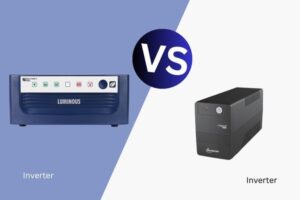
UPS Battery vs Inverter Battery: Stop Using Them Interchangeably You think a battery is a battery. It’s not. A UPS battery and an inverter battery


Every make. Every model. Maruti, Hyundai, Honda, Tata, Mahindra, if it has an engine and needs a battery, we have it. Same-day replacement, free installation, free old battery disposal.

Home, shop, office, Old Delhi runs on inverters because Delhi's power grid has a sense of humor. We stock 100 AH to 200 AH batteries from Luminous, Exide, Okaya, and Amaron. Proper installation for all building types including basement setups and terrace connections.

Offices, server rooms, billing counters, medical equipment. A UPS battery failure during business hours is an emergency, we treat it like one. Emergency replacement available within hours.

"Computers can't stop while buying procedures take time." Your procurement takes 3 days. Your business cannot wait 3 days. We provide rental UPS systems for exactly this gap, temporary power backup while your purchase order is being approved, your equipment is being shipped, or your new office is being set up.

Battery died mid-route? Call 8527267799. We cover Daryaganj, Chandni Chowk, ITO, Connaught Place, Civil Lines, and Karol Bagh, wherever you're stranded in central Delhi, we can reach you.
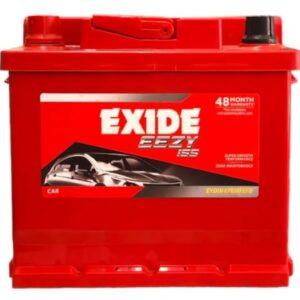
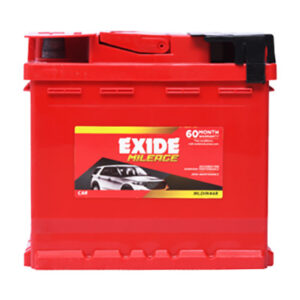
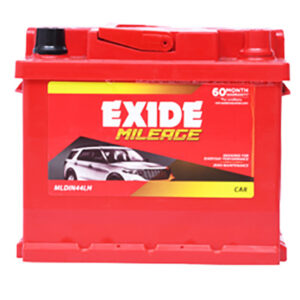
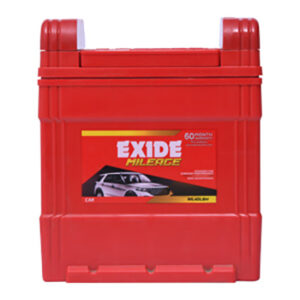
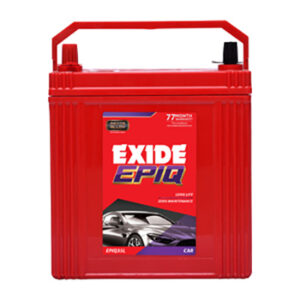
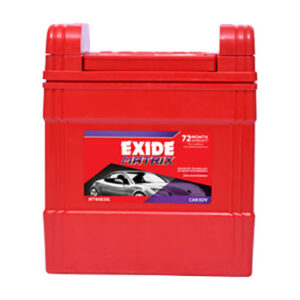
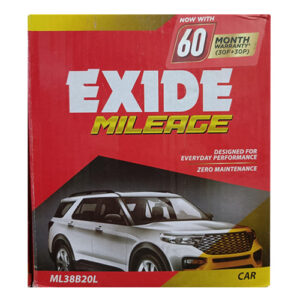
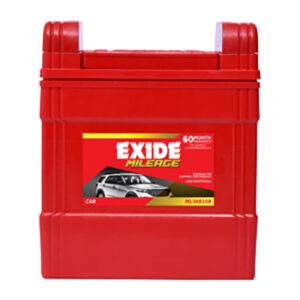
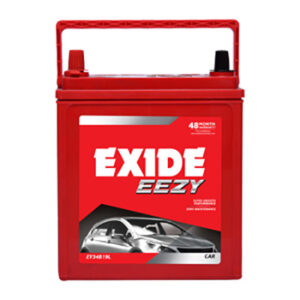
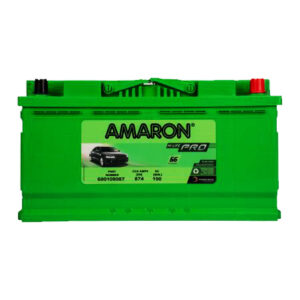
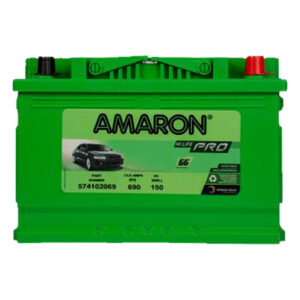
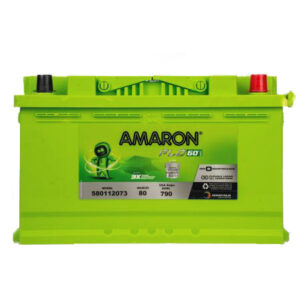
Cars: known for long life in Indian heat
Cars + Inverters: most trusted name in India
Inverters + UPS: dominant in home backup
Inverters: strong performer, value for money
Cars: reliable, wide model compatibility

UPS + Inverter systems: office power solutions










UPS Battery vs Inverter Battery: Stop Using Them Interchangeably You think a battery is a battery. It’s not. A UPS battery and an inverter battery
7 Signs Your Car Battery is 7 Signs Your Car Battery is Dying (And Why Delhi’s Heat Accelerates It) Your car has been reliable for
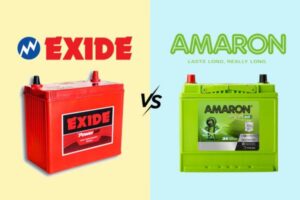
Amaron vs Exide: Which Battery Survives Delhi’s Summer? You need a new car battery. You go to the shop. Two options: Amaron or Exide. One
You’re sitting in traffic on Bharat Ram Road. It’s 9 AM. You turn the key. Nothing. Just silence. Your car battery is dead. Welcome to